
What are the selection criteria for independent board members?


Boards judge independent director candidates against five core criteria: prior board or governance experience, executive skills the board needs, valuable networks and connections, genuine passion for the organization, and cultural fit. Many organizations also weigh diversity, governance qualifications, soft skills, and industry-specific knowledge as supplementary factors.
Securing an independent board seat is highly competitive. As an ex-recruiter, I helped hundreds of organizations recruit new independent board members — here’s exactly what boards and chairs are looking for, and how to address each criterion, even if you don’t tick every box yet.
At a Glance: What Boards Look For in Independent Directors • Prior board or governance experience — proof you can do the job without unnecessary risk to the board. • Executive skills and experience that reduce risk or add value at board level. • Networks and connections that can open doors for the organization. • Genuine, authentic passion for the organization and the role. • Cultural fit with the board and the organization. • Supplementary factors that help you stand out: diversity, a governance qualification, soft skills, and industry-specific knowledge. |
The 5 Core Selection Criteria for Independent Board Members
There are five core selection criteria that you must be able to address when putting yourself in the running for most independent director positions. The specific details will vary and be tailored to an organization’s needs at the time. However, boards most value and demand five core elements.
#1 Prior Board or Governance Experience
Boards seek assurance that new independent directors will not risk the board’s reputation or the organization’s future. They also seek confidence that the candidate can do the job. You can reduce these risks by appointing someone who can demonstrate past performance and success, preferably in a board role or at a similar level.
So, if you have board experience, tell them. Make it clear that you fully understand the role of an independent director and its responsibilities, as well as how boards and governance work. Demonstrate this by highlighting board achievements and successes during previous or current tenures. This includes any voluntary or not-for-profit board and governance experience you have gained.
If you don’t have board or governance experience, take inspiration from the fact that everyone starts their board career somewhere. However, you need to address this criterion differently. Can you engineer some governance or board-level experience? The key here is board-level, strategic organizational or top-level industry experience. That includes serving on internal, external, industry, or community committees. Internal or external roles reporting to boards also show you can work with and understand boards. Strategic or macroscopic executive experience can translate to board-level experience.
#2 Executive Skill & Experience
The key is to look at the big picture by asking yourself what you can offer a board. Which of your executive skills and experiences are valuable at the board level? What skills do you have that are transferable to a board role? These are the questions you should be able to answer clearly and effectively.
This sounds like a challenging task. However, an easy way to do this is to consider “How can your skills and experience mitigate risk at the board level?” Ask yourself, “What negative situations (risks) could happen to the organization if they did not have your skills or experience on the board?” Conversely, ask yourself, “What positive things can result from your skills and experience?” This is also an opportunity to advocate for executive skills and experience they may have overlooked or not even considered. IT specialist skills are one of those examples.
#3 Networks & Connections
Most boards consider a candidate’s networks and connections as valuable assets. The right connections can open doors, build strategic partnerships, and generate financial opportunities.
Review your networks and analyze your personal and professional connections. Also, consider your second-level connections and the individuals, organizations, and industries they are connected to. Determine which could add value in a board context.
Never underestimate the value of your connections. They may offer an organization more than you first thought. It just takes some time and research. Once established, incorporate your networks and connections as a unique selling point (USP) component. Make time to chip away at building and managing your connections regularly.
#4 Passion
Don’t underestimate this one. Passion is the key to being an effective independent director; boards and chairs know this. Potential board candidates must have and demonstrate an authentic passion for the organization.
You need to be passionate about the following:
- What the organization does
- What the organization stands for
- How they conduct themselves
You also need to be passionate about serving as an independent director. Independent board roles require commitment, as they are often stressful, time-consuming, and modestly remunerated, especially early in a board career.
Board members who lack passion for the organization or the role can cause rifts within the board. The consequences can be detrimental to you, the board, and the organization. The kind of passion required here can not be manufactured, so you must be true to yourself.
#5 Fit
Cultural fit is difficult to define or quantify, but chairs at least see it as a critical selection criterion for independent board members. Every organization has its culture, and every board has its own subculture. In most cases, a board member should fit the organization’s culture to represent stakeholders.
The board is also wary of adding a new member who could disrupt its subculture or ecosystem. That may be good or bad for the organization and its stakeholders. In the end, the chair will not want to appoint a potential disrupter.
I recommend you research the organization’s and the board’s culture before applying for any board role. You may need to reach out to industry partners, past and current employees, and past board members. From there, you should be able to assess your compatibility and, if favorable, articulate it.
Supplementary selection criteria for independent board members
Organizations may stipulate many supplementary selection criteria, which you can use to separate yourself from your competitors. These requirements vary by organization and the current issues, risks, or goals it faces.
These supplementary criteria include:
Diversity
A diverse board can make more effective decisions by reducing the risk of ‘groupthink’. Board members pay more attention to managing and controlling risks and better understand all the organization’s stakeholders. Industries, regulatory bodies, partner organizations, employees, shareholders, and customers now expect diverse backgrounds, experience, and networks in the boardroom. Diversity is more than just gender. Consider six strands of diversity: gender, race, religion, age, sexuality, and disability.
Governance Qualifications
Not all board roles require Governance Qualifications. However, I highly recommend completing a Governance certification if you are serious about becoming an independent director. In the US, look at the NACD Directorship Certification; in Canada, the ICD.D designation from the Institute of Corporate Directors serves the same purpose. Either credential will make you a more attractive and qualified candidate, and the knowledge you gain will make you a more diligent director.
Soft Skills
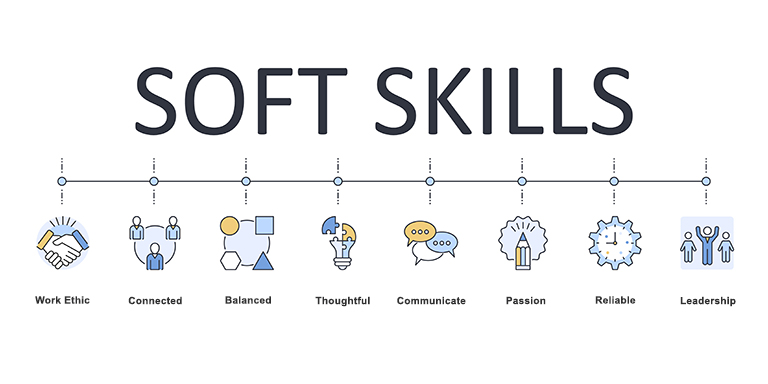
Soft skills are character traits and interpersonal skills that define how a person interacts in the workplace. Many use the term “soft skills” to describe a person’s emotional intelligence quotient (EQ). Soft skills include emotional skills, interpersonal skills, communication skills, listening skills, problem-solving skills, strategic thinking, leadership skills, critical thinking, collaboration skills, and adaptability.
Industry-specific Knowledge
Some boards operate in highly regulated industries. These industries face specific complexities and constantly changing regulatory demands. Specialist knowledge is required to ensure the board can balance the organization’s needs with regulatory requirements. These industries include health care, pharmaceuticals, banking and finance, insurance, energy, construction, and telecommunications.
In Summary
Selection criteria for an independent board member, like any role, vary by organization and its needs at the time. However, organizations and chairs look for five core selection criteria in board candidates.
- Governance Experience: Someone who has done the job successfully before.
- Skills: Someone who has the skills required by, and will add value to, the board.
- Connections: Someone who knows the sector and whose connections bring additional value to the organization.
- Passion: Someone who wants to see the organization grow because they are passionate about what they do.
- Culture: Someone who will fit into the culture of the board and the organization.
By understanding what gatekeepers and chairs look for, you can address them formally (in your board pitch and board cover letters) and informally (when developing your board network or taking the direct approach to gaining a board appointment). It will make you a more compelling candidate in the highly competitive board appointment process.
Frequently Asked Questions
I don’t have any board experience — can I still be selected as an independent director?
Yes — everyone starts their board career somewhere. Chairs look for evidence of board-level thinking even without a formal board title: committee experience, strategic or macro-level executive roles, or reporting directly to a board. See No board experience? What actions should you take? for a full breakdown of how to build this out.
Do I need industry-specific experience to be considered for a board seat?
Not for most independent board roles, with some boards seeking members who are completely independent from the industry as well as the organization. Specialist knowledge may help fill knowledge gaps on boards, and connections from other industries may open new opportunities.
Does already serving on a number of other boards affect my chances of being selected?
It can. There’s no universal legal cap for most private and nonprofit boards, but chairs weigh a candidate’s existing commitments as part of assessing genuine passion and capacity — an overcommitted candidate can read as a selection risk rather than an asset. Governance guidance commonly suggests four to five board seats as a practical ceiling for anyone still working full-time.
What’s the difference between an independent director and a non-executive director?
The terms overlap but aren’t always identical; it depends on geographical location. Generally, a non-executive director (NED) is simply any board member who isn’t part of day-to-day management, which can include major shareholders, former executives, or other affiliated parties. An independent director is a specific type of non-executive director who also meets formal independence tests, meaning they have no material relationship with the organization beyond the board seat itself. See What is an independent board director and what do they do? for the full definition.
How does the board selection process actually work?
It typically starts with a nominations or governance committee identifying a gap on the board — a skill, network, or perspective the current board lacks — then building a shortlist against the criteria above. Candidates are usually assessed through a mix of application materials, referee or network checks, and one or more interviews with the chair or committee, before a formal appointment is put to the full board (or, for some organizations, to members) for approval.
Related Articles
About the Author
David Schwarz is CEO & Founder of Board Appointments. He has over a decade of experience in putting people on boards as an international headhunter and recruiter. He has interviewed hundreds of directors and placed hundreds into some of the most significant public, private and NFP director roles in the world.




Excellent article. I am currently a Independent Board Member for a company on NASDAQ. I would like to pursue other similar opportunities. Do you have any next steps suggestion as far as connection to potential open opportunities.